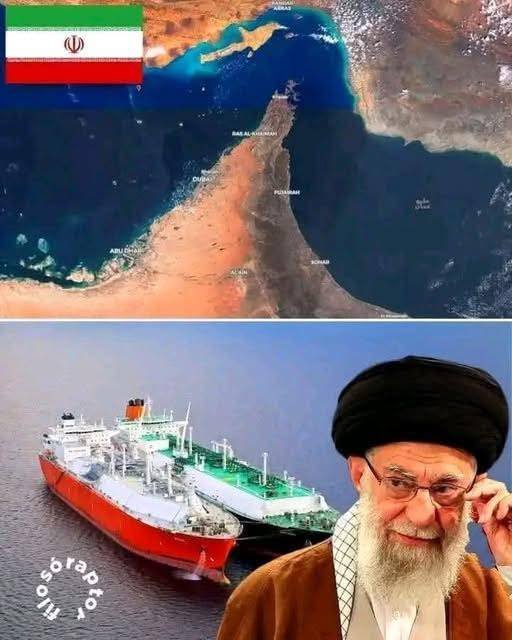
HT7 BREAKING – IRANIAN PARLIAMENT APPROVES THE CLOSURE OF THE! See More
In recent days, the delicate equilibrium of the Middle East has faced a significant challenge, drawing the intense focus of the international community. Reports originating from Tehran indicate that the Iranian Parliament has approved a measure concerning the potential closure of a vital maritime passage. While the specific details regarding the implementation of this measure remain under review and are subject to further administrative and governmental procedures, the mere announcement has sent shockwaves through global energy markets, shipping industries, and the highest levels of diplomatic circles.
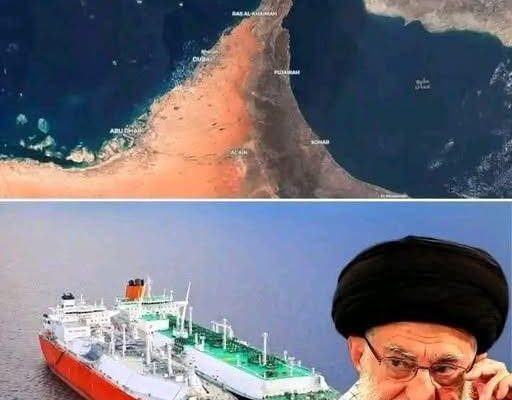
At the heart of this escalating tension is the Strait of Hormuz, a narrow yet extraordinarily consequential channel that connects the Persian Gulf to the open seas. Despite its limited physical width, the strait serves as a central artery for the global economy. Every day, a staggering portion of the world’s oil and liquefied natural gas (LNG) exports transit through this route, solidifying its status as arguably the most strategically vital maritime corridor on the planet. Because many of the world’s primary energy-producing nations depend on this passage to reach their international customers, any credible threat to its uninterrupted transit creates immediate and profound anxiety across the globe. Refiners, shipping conglomerates, insurance giants, and sovereign governments are currently monitoring every development with meticulous care, fully aware that a disruption here could trigger a cascade of economic uncertainty and surging costs worldwide.
One of the most immediate indicators of geopolitical friction in the modern era is the volatility of the financial markets. Analysts have observed that commodity markets, specifically oil futures, often react with high sensitivity well before official government policy responses are even finalized. In this instance, the political signaling alone has been enough to stir the markets. Energy experts emphasize that the mere possibility of restricted access creates a “risk premium” that drives up the price of crude oil, shipping insurance, and freight costs. These increases are not necessarily caused by a physical blockade but by the pervasive uncertainty surrounding the future of supply. For the average consumer, this market behavior translates into tangible pressure: higher fuel prices at the pump, increased costs for transporting goods, and general inflationary pressure on a wide range of everyday products.