
Unexplained Disappearances: Fox Host Raises Red Flags Over Troubling Trend Involving NASA and Defense Scientists
The intersection of national security, cutting-edge science, and sudden tragedy captured intense public scrutiny following a viral television segment. Cable news broadcasts spotlighted a deeply unsettling string of incidents involving high-profile researchers, engineers, and defense-connected personnel who have turned up missing or dead under mysterious circumstances. The coverage thrust a simmering online mystery into mainstream political discourse, forcing federal agencies to address growing public anxiety.
Highlighting the Overlap
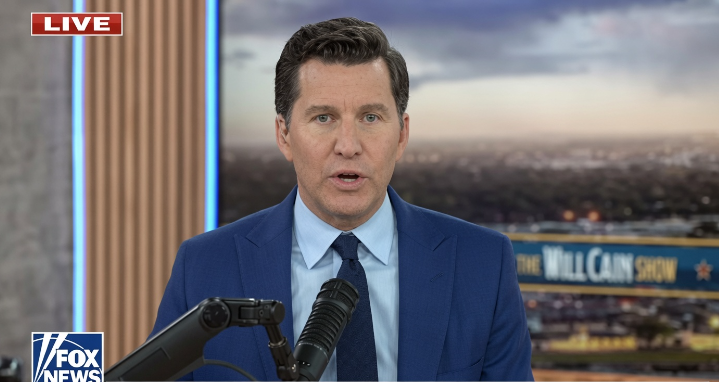
During a segment on The Will Cain Show, host Will Cain drew attention to a cluster of cases involving over a dozen prominent figures tied to sensitive government research, aerospace projects, and nuclear laboratories. Among those highlighted were astrophysicists, propulsion engineers from NASA’s Jet Propulsion Laboratory (JPL), personnel linked to the Air Force Research Laboratory, and staff associated with the Los Alamos National Laboratory.
The cases span several years and feature vastly different immediate circumstances—ranging from sudden tragedies and homicides to baffling disappearances while out hiking or at home. However, commentators and digital sleuths emphasized the institutional overlap: individuals connected to high-level aerospace, advanced materials, and classified defense sectors appearing on a growing casualty list. Notable names circulating in the reports included prominent NASA-linked researchers, prominent MIT plasma physicists, and retired military officials who previously managed advanced defense and aerospace procurement programs.
Fueling Speculation and Public Scrutiny
The grouping of these disparate events quickly ignited a wildfire of speculation across social media platforms, with online forums and conspiracy theorists attempting to link the tragedies to everything from corporate espionage and foreign targeting to fringe theories involving classified government programs and unidentified anomalous phenomena (UAP).
While independent investigators and mainstream journalists noted that many of the cases had distinct, non-sinister explanations—such as medical issues, unrelated local crimes, or tragic accidents—the sheer concentration of high-clearance personnel meeting untimely ends created a vacuum of public trust. Critics argued that the lack of immediate, centralized transparency from federal authorities allowed anxiety to fester, turning routine local police investigations into a national security talking point.
The Federal Response
As media pressure mounted and questions spilled over into White House press briefings, federal entities faced mounting demands for clarity. Representatives for NASA and related defense agencies acknowledged the public concern, confirming that the agency was cooperating with relevant federal entities reviewing the circumstances. At the same time, officials urged caution, emphasizing that preliminary reviews and local law enforcement findings across the individual cases had uncovered no direct evidence of a coordinated plot, foul play nexus, or broader national security threat.
Nevertheless, the focused media attention underscored a sensitive reality: the profound vulnerability surrounding the brilliant minds driving America’s aerospace and defense infrastructure. Whether viewed as an unfortunate statistical clustering of tragic, unrelated events or a symptom of deeper systemic vulnerabilities, the spotlight on these fallen scientists has left lasting questions regarding how government agencies protect and account for the personnel spearheading the nation’s most sensitive technological frontiers.


