
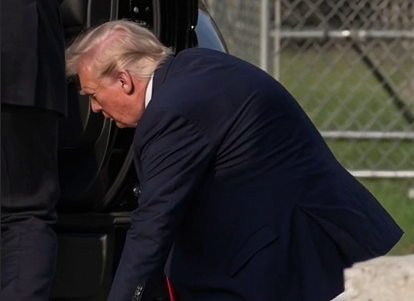
In the hyper-accelerated ecosystem of modern digital media, sensational headlines can materialize out of thin air, weaponizing curiosity and partisan divide. A striking example of this phenomenon is the recurring viral shock-wave represented by dramatic proclamations like, “Trump FALLS AGAIN! — White House Doctor Breaks Silence!”
Headlines of this nature are deliberately engineered to bypass critical thinking, combining the high-stakes theater of American politics with medical mystery and impending political crisis. But when the dust settles and the digital noise is filtered through actual investigative reporting, a starkly different reality usually emerges—one defined by deepfakes, out-of-context clips, and algorithmic amplification.
The Anatomy of a Viral Hoax
The mechanics behind these viral sensations typically follow a predictable trajectory. In an era dominated by short-form video platforms, X (formerly Twitter), and clickbait aggregators, a minor or completely fabricated incident can transform into a national security emergency within hours.
For instance, rumors regarding high-profile political figures losing their balance—whether boarding aircraft or entering vehicles—frequently circulate alongside unverified claims of emergency medical interventions or whistleblowing physicians breaking confidentiality. Independent fact-checkers and media analysts routinely find that these dramatic narratives lack any foundation in official documentation or verifiable footage.
More alarmingly, the rapid advancement of generative artificial intelligence has introduced a new layer of deception. Recent viral clips purporting to show political figures collapsing or stumbling have repeatedly been unmasked as sophisticated deepfakes or digitally manipulated footage built upon entirely benign public appearances. Content creators have occasionally admitted to staging or generating these synthetic media snippets simply to test how easily online audiences—and media consumers writ large—accept sensational narratives at face value without checking primary sources.
The Role of the “White House Doctor” Trope
The second half of these sensational headlines—invoking a medical professional “breaking silence”—taps into a powerful psychological trigger. The public naturally hungers for institutional transparency, especially when concerning the health and stamina of leaders occupying the highest office in the nation.
By framing an anonymous or entirely fictional medical insider as a courageous whistleblower risking their career, clickbait distributors attempt to lend artificial credibility to baseless speculation. In reality, official communications regarding executive health come through standardized channels, and reputable medical professionals are bound by strict ethical codes and privacy laws, making anonymous leaks of this dramatic nature highly improbable.
Navigating the Information Ecosystem
The persistence of headlines blaring sudden medical emergencies or accidental falls speaks to a broader vulnerability in how society consumes news. Political polarization ensures that wishful thinking often clouds objective analysis; supporters dismiss all negative reports as malicious fabrications, while detractors embrace any rumor, real or synthetic, as confirmation of decline.
Ultimately, stories built around dramatic declarations like “Trump FALLS AGAIN!” serve as a potent reminder of the challenges defining the modern information landscape. They underscore the absolute necessity of digital literacy, demanding that audiences pause, look past aggressive capitalization, and demand verified evidence before treating digital clickbait as historical fact.


